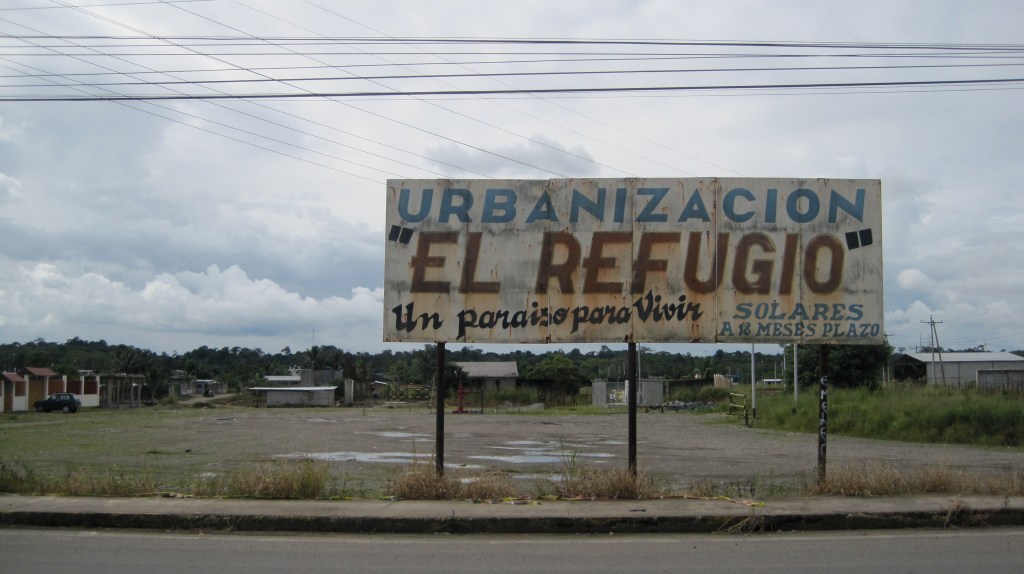
Since 2011, my research has focused on the effects of oil extraction on health, struggles for environmental justice, and exploring how the proliferation of toxicants into the very fibers of biological and social life has become a fundamental part of human and more-than-human experience on a changing planet.
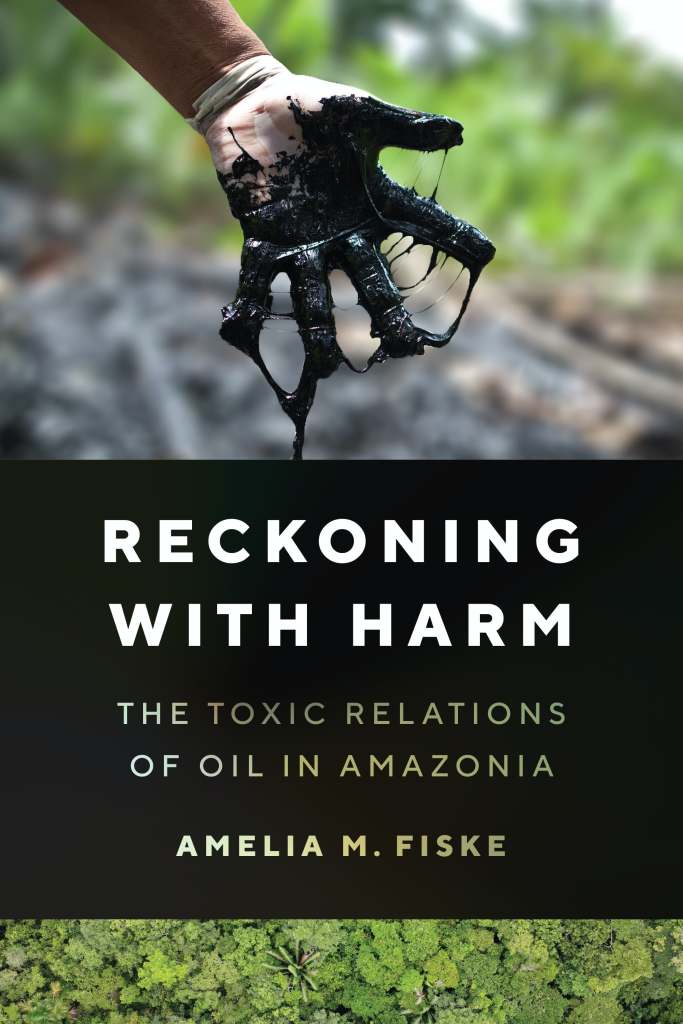
My book, Reckoning with Harm: The Toxic Relations of Oil in Amazonia, explores how these themes have played out in the northeastern corner of Ecuador. Based on more than 27 months of ethnographic fieldwork, the book travels from forest-courtrooms, to oily waste pits, farms, public protests, environmental justice campaigns, citizen-led pollution monitoring, and ‘toxic tours,’ exploring how harm from oil is entangled with daily life and the tensions surrounding efforts to verify, represent, and redress it in practice. Examining how place-based articulations of toxicity can constitute a critical form of knowledge production, I demonstrate the need for an expansive understanding of harm from extraction, one that is relational and contingent.
An empathetic and reflexive ethnography of the expansiveness of the socioenvironmental burdens—physical, emotional, generational—borne by peoples in the Ecuadorian Amazon because of the oil industry’s presence in the region. Recognizing the responsibility required to respectfully tell stories about harm, Fiske goes beyond technocratic explanations of regulatory science and law and instead traces the myriad relations through which harm is constituted and evaluated, intimately and expansively. In a search for larger truths that “open up” harm from narrow understandings of culpability and damage, Fiske moves toward a theory of relational accountability—a reckoning—that calls for collective acts of reparation, remediation, and justice. – Gabriela Valdivia, University of North Carolina at Chapel Hill
In her agenda-setting study of oil’s transformation of Amazonian Ecuador, Amelia Fiske brilliantly demonstrates the power of medical anthropology and science studies by combining nuanced ethnography, textual analysis, and theoretical engagement to reveal the harms of industrial toxins as well as their scientific, legal, and regulatory concealment. For anyone interested in understanding the complex question of how we can become certain of the petroleum industry’s impacts on this planet and its peoples, Reckoning with Harm is an essential source that will guide scholarship, activism, and public debate for decades to come. – Michael L. Cepek, University of Texas at San Antonio
Reckoning with Harm disarms, revealing that the wounded worlds that issue from oil extraction are deeply relational. A keen ethnographer, Amelia Fiske demonstrates in moving prose how the unbounded, yet embodied, effects of oil operations on everyday lives confound techno-industrial-scientific logics that seek to contain contamination. – Suzana Sawyer, University of California, Davis
Reckoning with Harm paints a vivid and distressing picture of the Ecuadorian Amazon, where the entwining of oil and life has left an enduring impact on both the environment and the people who call this place home . . . The lessons within this book are immeasurable. – Latina Republic
This research was supported by grants from the National Science Foundation, Social Science Research Council, and the Wenner-Gren Foundation. The manuscript was published in November 2023, by the University of Texas Press.
Check out a short interview with University of Texas Press on the inspirations for the book here.
BOOKS
FIRST AUTHOR ARTICLES
- The Auger: Bearing Witness through Soil Coring
- Naked in the face of contamination: Thinking models and metaphors of toxicity together
- Dirty Hands: The Toxic Politics of Denunciation
- Natural resources by numbers: The promise of ‘El uno por mil’ in Ecuador’s Yasuní ITT oil operations
- Bounded Impacts, Boundless Promise: Environmental Impact Assessments of Oil Production in the Ecuadorian Amazon
PUBLIC
Please get in touch if you would like a PDF copy of any article.
 amelia fiske